Guide
Air Fryer Shrimp: Time & Temperature
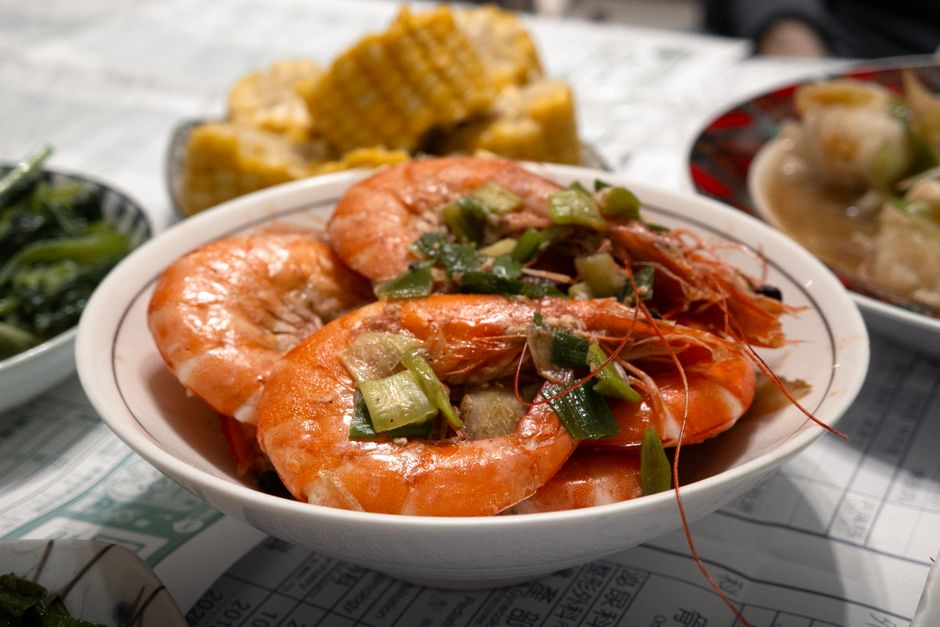
Shrimp is one of the fastest, most forgiving foods you can make in an air fryer, but it's also one of the easiest to overcook. Because the pieces are small and cook from all sides at once, the difference between plump, juicy shrimp and tough, rubbery ones can be a single minute. The good news: shrimp gives you clear visual cues, so once you learn what to look for you rarely need a timer at all.
This page covers fresh, thawed, and frozen shrimp, all peeled unless noted. The times below are established reference ranges that work across most basket and toaster-style air fryers. Actual times vary with your model, the size (count) of the shrimp, and how full the basket is, so treat the chart as a starting point and judge doneness by color and texture rather than the clock.
How to use this chart
Find the row that matches your shrimp's prep and size. Shrimp are sold by "count" (the number per pound) — lower numbers mean bigger shrimp that need slightly more time. Preheat the air fryer if your model recommends it, arrange the shrimp in a single layer with a little space between them, and check at the low end of the time range. Cook in batches rather than crowding the basket, which steams the shrimp instead of crisping them.
| Shrimp type / prep | Temp | Time | Notes |
|---|---|---|---|
| Fresh or thawed, peeled, medium (41-50 ct) | 400°F | 6-7 min | Cooks fast — check early |
| Fresh or thawed, peeled, large (31-40 ct) | 400°F | 7-8 min | Flip halfway |
| Fresh or thawed, peeled, jumbo (21-25 ct) | 400°F | 8-10 min | Thickest; check the center |
| Frozen raw, peeled (not breaded) | 400°F | 10-12 min | No thawing needed; flip halfway |
| Frozen pre-cooked, peeled | 380°F | 4-6 min | Just heating through — don't overcook |
| Frozen breaded shrimp | 400°F | 8-10 min | Single layer for a crisp coating |
| Shell-on (fresh or thawed), large | 400°F | 8-10 min | Add 1-2 min vs. peeled |
- Doneness cue: raw shrimp are gray and translucent; cooked shrimp are opaque and pink with red tails. A loose "C" shape is perfect; a tight "O" means they're overdone.
- Pat shrimp dry before seasoning so oil and spices stick and the surface browns instead of steaming.
- A light toss in oil (about a teaspoon per half pound) plus salt, pepper, garlic, and paprika is all most shrimp need.
- Don't overcrowd. One even layer cooks faster and more evenly than a heaped basket.
- Frozen raw shrimp can go straight into the basket — just add a few minutes and shake once or twice.
- Pull shrimp the moment they turn opaque; carryover heat will finish them, and every extra minute risks rubberiness.
Do I have to thaw shrimp first?
No. Frozen raw shrimp cook well straight from the freezer — just add a few minutes (about 10-12 total at 400°F) and shake the basket partway through. Thawed shrimp cook a bit faster and season more evenly.
How do I know when shrimp are done?
They turn opaque and pink with reddish tails and curl into a loose C shape. If you want to confirm with a thermometer, cook to an internal temperature of 145°F. Overcooked shrimp curl into a tight O and feel firm and rubbery.
Why did my shrimp come out rubbery?
Almost always overcooking. Shrimp go from done to tough in under a minute, so check at the low end of the time range and pull them as soon as they turn opaque.
Can I cook breaded shrimp in the air fryer?
Yes — frozen breaded shrimp are excellent air-fried. Cook at 400°F for 8-10 minutes in a single layer, flipping once, until the coating is golden and crisp. A light spritz of oil helps them brown.
What temperature is best for shrimp?
400°F is the sweet spot for most raw shrimp — hot enough to sear the outside before the inside overcooks. Drop to 380°F when you're only reheating pre-cooked shrimp so they don't dry out.
Food safety: The FDA recommends cooking shrimp until the flesh is firm, pearly, and opaque. If you check with a thermometer, 145°F is the FDA's safe minimum internal temperature for shrimp and other seafood. Because size and quantity affect timing, always judge doneness by color, texture, or a thermometer rather than time alone — especially for larger shrimp and any seafood you're serving to young children, older adults, or anyone pregnant or immunocompromised.
Related guides
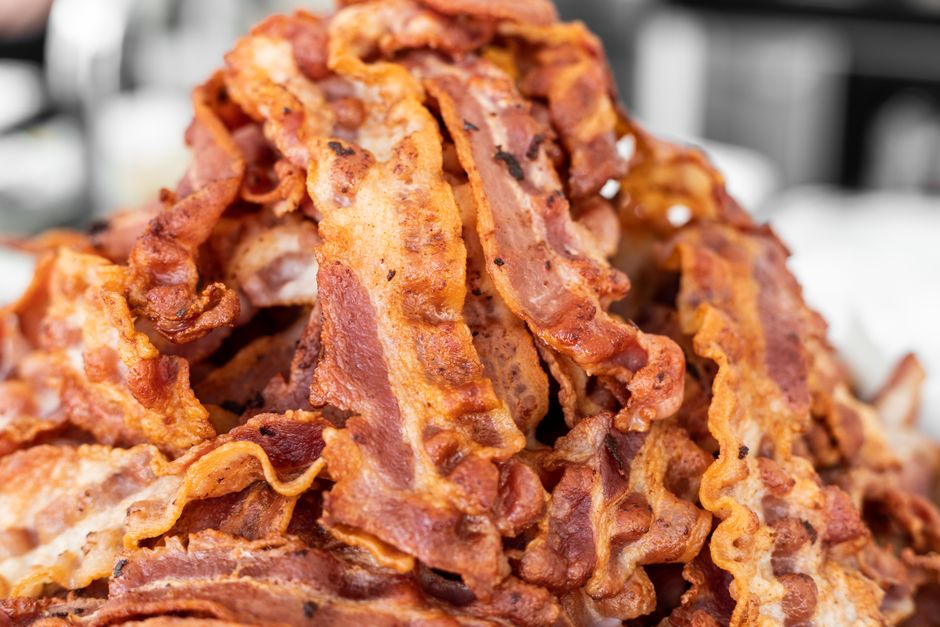 GuideAir Fryer Bacon: Time & TemperatureAir fryer bacon time and temperature guide: cook times for thin and thick-cut bacon at 350°F, plus fire safety and crispy tips.Read more →
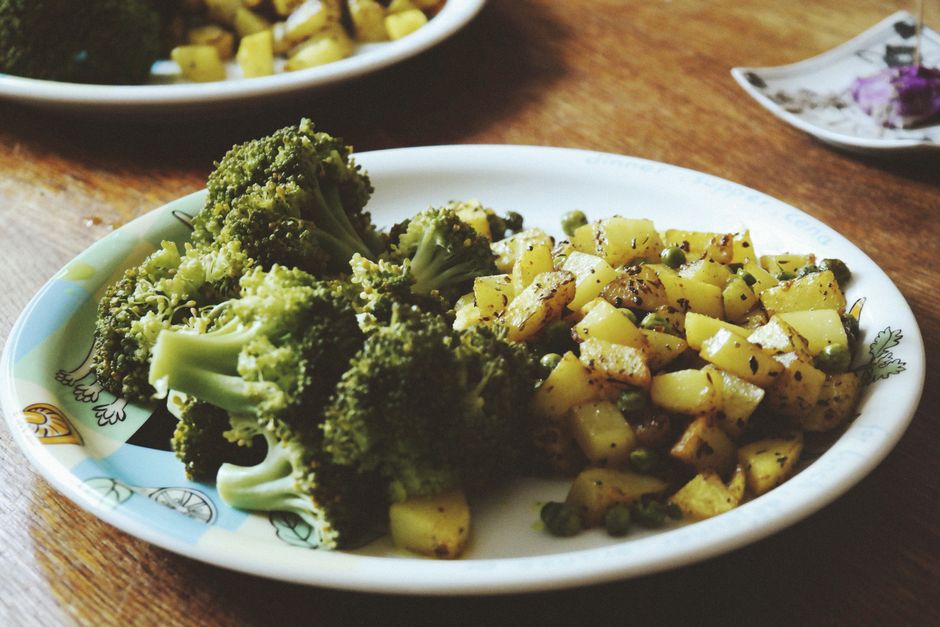 GuideAir Fryer Broccoli: Time & TemperatureAir fryer broccoli time and temp: 375°F for fresh florets, 400°F for frozen. Quick chart, oil and shake tips, plus an FAQ. Times vary by model.Read more →
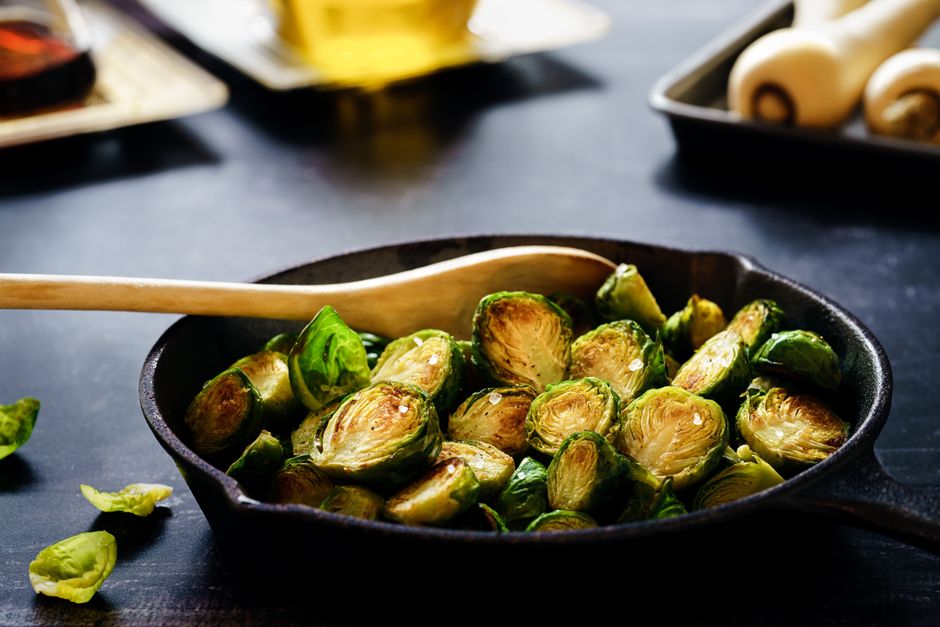 GuideAir Fryer Brussels Sprouts: Time & TemperatureAir fryer Brussels sprouts time & temp chart for fresh vs frozen halved sprouts at 375°F. Crispy outside, tender inside. Quick answer, tips, FAQ.Read more →
 GuideAir Fryer Chicken Thighs: Time & TemperatureAir fryer chicken thigh times & temps: bone-in and boneless, skin-on. USDA-safe 165°F, tender at 175-185°F, plus crispy-skin tips and FAQ.Read more →
This page contains affiliate links – if you buy through them we may earn a commission, at no extra cost to you. The recommendations are our own assessment.