Guide
Air Fryer Cooking Times Chart (Times & Temperatures)
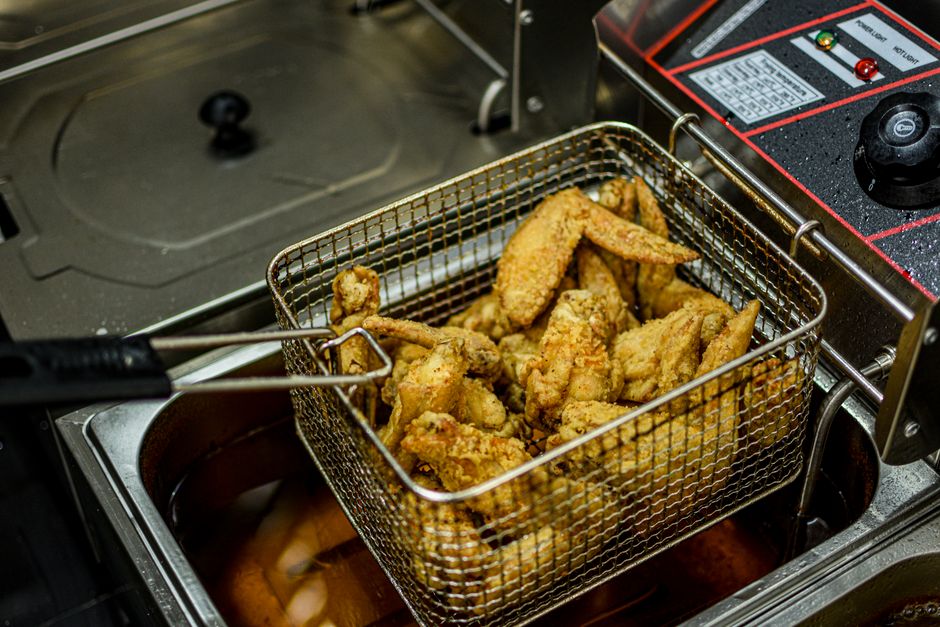
This is the master air fryer cooking times chart — one place to look up the temperature and time for the foods you cook most. Whether you are crisping frozen fries, roasting a chicken breast, or reheating last night's nuggets, the settings below get you close on the first try, then you fine-tune from there.
A quick honesty note: these are guide values, not guarantees. Air fryers vary a lot in wattage, basket size, and airflow, and food is not uniform — a thick chicken breast takes longer than a thin one. The times below assume a typical 1500–1700 W air fryer. Treat them as a starting range, check a few minutes early, and let a thermometer make the final call on anything meat.
How to use this chart
- Preheat 2–3 minutes if your model recommends it — it helps crisping and consistency.
- Do not overcrowd the basket; cook in a single layer so hot air can circulate.
- Shake the basket or flip larger pieces halfway through for even browning.
- Start checking at the low end of the time range, then add a minute or two as needed.
- For any meat, confirm doneness with an instant-read thermometer, not the clock.
| Food | Temperature | Time | Notes |
|---|---|---|---|
| Fresh fries (hand-cut) | 380°F (193°C) | 15–20 min | Soak and pat dry; light oil; shake halfway |
| Frozen fries | 400°F (200°C) | 12–16 min | No oil needed; shake once or twice |
| Chicken breast (boneless) | 375°F (190°C) | 18–22 min | Flip halfway; cook to 165°F (74°C) |
| Chicken wings | 380°F (193°C) | 22–26 min | Pat dry; flip halfway; sauce after cooking |
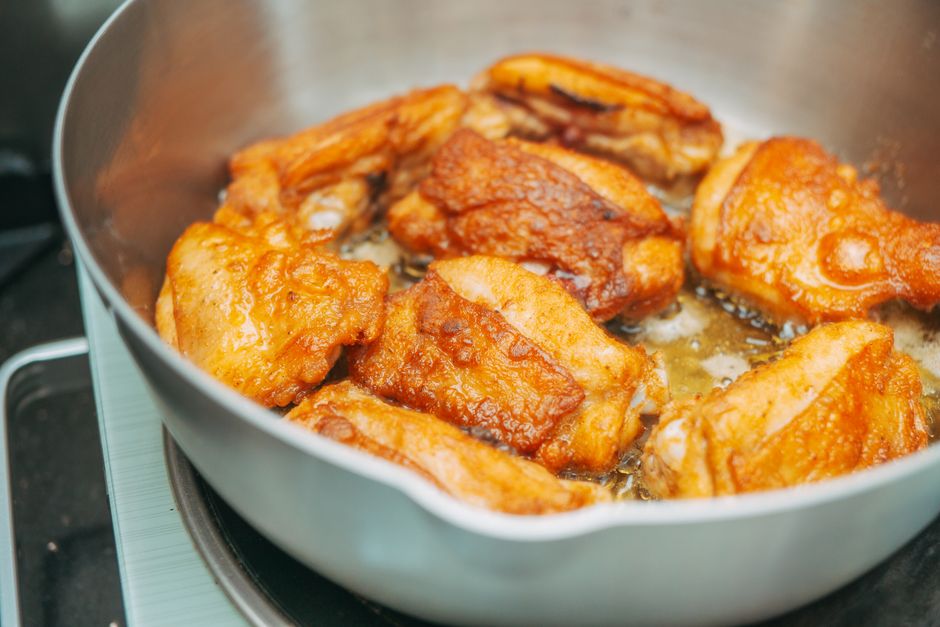
| Chicken thighs (bone-in) | 380°F (193°C) | 22–26 min | Skin up; flip once; at least 165°F (74°C) |
| Chicken tenders | 375°F (190°C) | 10–12 min | Flip halfway; breaded needs a light spray |
| Bacon | 350°F (175°C) | 8–11 min | Single layer; check early; empty grease if it smokes |
| Salmon fillet | 390°F (200°C) | 8–11 min | Skin-side down; cook to 145°F (63°C) |
| Shrimp | 380°F (193°C) | 6–8 min | Pat dry; flip halfway; done when pink and opaque |
| Steak (1-inch) | 400°F (200°C) | 8–12 min | Flip halfway; pull at your target doneness |
| Pork chops (boneless) | 380°F (193°C) | 10–14 min | Flip halfway; cook to 145°F (63°C), then rest |
| Brussels sprouts (halved) | 375°F (190°C) | 12–15 min | Toss with oil; shake once or twice |
| Broccoli florets | 375°F (190°C) | 8–10 min | Light oil; shake halfway to avoid scorching tips |
| Mixed vegetables | 380°F (193°C) | 10–14 min | Cut to even sizes; shake halfway |
| Frozen nuggets | 400°F (200°C) | 8–10 min | No oil; flip halfway; crisp and heated through |
| Frozen mozzarella sticks | 375°F (190°C) | 6–8 min | Single layer; flip halfway; watch for leaks |
| Tofu (cubed) | 400°F (200°C) | 12–15 min | Press and pat dry; toss with oil; shake halfway |
| Meatballs (1-inch) | 380°F (193°C) | 10–13 min | Shake halfway; cook to 160°F (71°C); 165°F (74°C) for poultry |
| Sausages | 380°F (193°C) | 10–14 min | Turn halfway; pork to 160°F (71°C); 165°F (74°C) for chicken/turkey |
| Hard-boiled eggs | 270°F (132°C) | 15–17 min | Cook on rack, then plunge into an ice bath |
Food safety comes first. Cook chicken and other poultry — including ground chicken and turkey — to an internal temperature of 165°F (74°C), ground beef and pork (such as beef or pork meatballs) to at least 160°F (71°C), and pork and whole cuts of beef to 145°F (63°C) with a short rest. Golden and crispy on the outside does not guarantee it is done inside — use an instant-read meat thermometer at the thickest point to be sure.
Pitfalls and tips
- Wattage matters: a 1500 W model runs slower than a 1700 W one, so lean toward the longer time if yours is lower-powered.
- Thickness beats time: roughly doubling the thickness roughly doubles the cook, so measure doneness by temperature, not minutes.
- Skip extra oil on frozen breaded foods — they already carry plenty; a light spray is enough for fresh-cut fries or vegetables.
- Dry food browns better: pat chicken, tofu, and shrimp dry before seasoning.
- Reheating? Drop the temp about 25°F versus cooking from raw so the outside does not scorch before the middle warms.
- Batch size changes everything: a full basket needs several extra minutes and at least one good shake.
Do I need to preheat my air fryer?
Not always, but a 2–3 minute preheat helps foods you want crisp, like fries and wings. For longer cooks such as chicken thighs it makes little difference. Follow your manual if it gives specific guidance.
Why is my food cooking faster or slower than the chart?
Wattage and basket design vary widely. A higher-wattage model (closer to 1700 W) cooks faster; a smaller or lower-powered one runs slower. Use the chart as a starting range and adjust for your machine and food thickness.
Should I use oil?
A light spray of oil helps fresh vegetables, cut fries, and proteins brown and crisp. Frozen breaded foods usually have enough oil already, so you can skip it or use just a touch.
Can I stack or overcrowd the basket?
Try not to. A single layer with room around each piece lets hot air circulate, which is what makes an air fryer work. For big batches, cook in rounds or shake often and add time.
How do I know when meat is actually done?
Use an instant-read thermometer at the thickest part. Poultry — including ground chicken and turkey — should hit 165°F (74°C), ground beef and pork 160°F (71°C), and pork or beef cuts 145°F (63°C) with a short rest. The timer is a guide; the thermometer is the answer.
Related guides
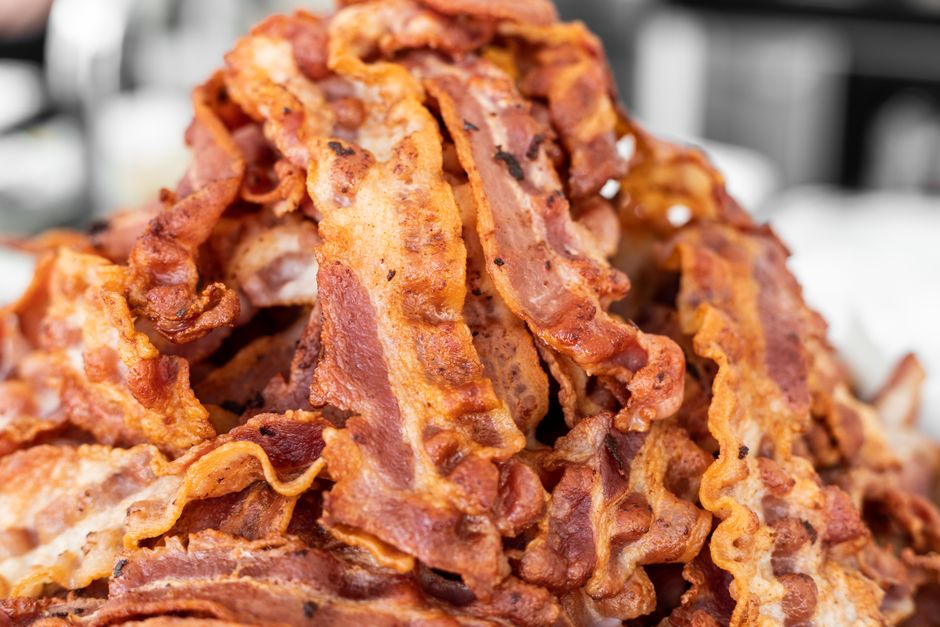 GuideAir Fryer Bacon: Time & TemperatureAir fryer bacon time and temperature guide: cook times for thin and thick-cut bacon at 350°F, plus fire safety and crispy tips.Read more →
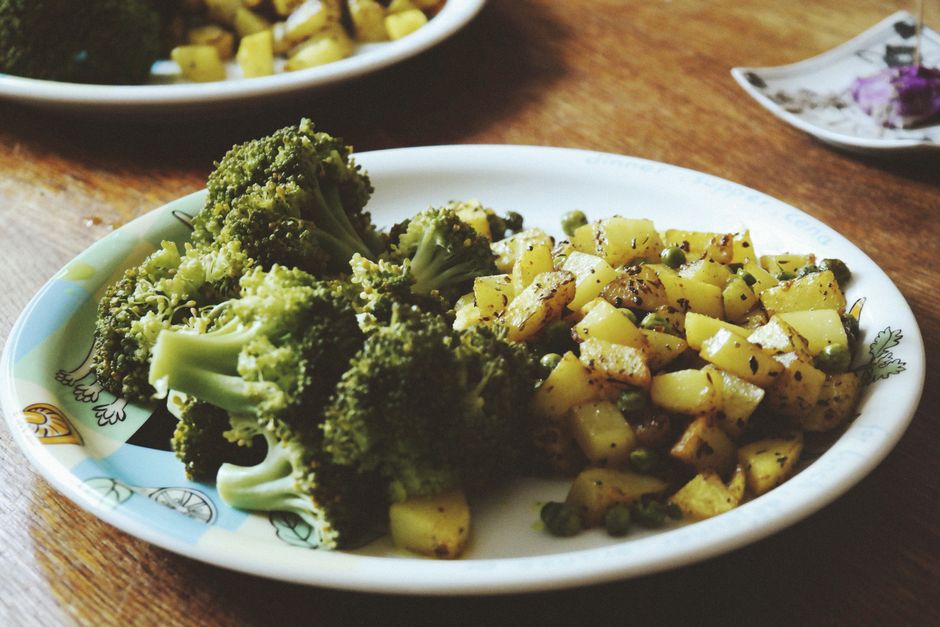 GuideAir Fryer Broccoli: Time & TemperatureAir fryer broccoli time and temp: 375°F for fresh florets, 400°F for frozen. Quick chart, oil and shake tips, plus an FAQ. Times vary by model.Read more →
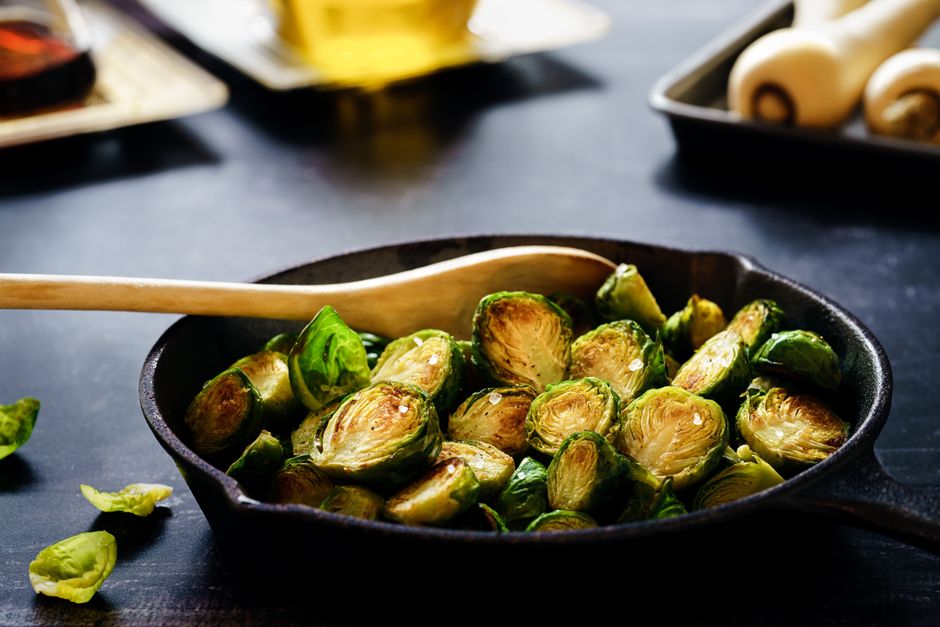 GuideAir Fryer Brussels Sprouts: Time & TemperatureAir fryer Brussels sprouts time & temp chart for fresh vs frozen halved sprouts at 375°F. Crispy outside, tender inside. Quick answer, tips, FAQ.Read more →
 GuideAir Fryer Chicken Thighs: Time & TemperatureAir fryer chicken thigh times & temps: bone-in and boneless, skin-on. USDA-safe 165°F, tender at 175-185°F, plus crispy-skin tips and FAQ.Read more →
This page contains affiliate links – if you buy through them we may earn a commission, at no extra cost to you. The recommendations are our own assessment.